

What to check before buying a house in the UK
The house checks to do before you view, at the viewing and before you offer, in the order that saves you the most money.
The 10 home checks that matter most.
Most of these are public records. You can check them before you ever book a viewing.
- 1Sold pricesWhat it last sold for, and what similar homes on the street went for.
- 2Energy rating (EPC)The band, the running costs and what it would take to improve.
- 3Flood riskRivers and sea, surface water and groundwater, now and in future.
- 4Tenure and leaseFreehold or leasehold, and how many years are left on the lease.
- 5Planning historyWork done to the home, and what has been approved or refused nearby.
- 6Conservation area or listingEither can limit what you are allowed to change.
- 7Ground conditionsShrink-swell clay, past mining and radon.
- 8Crime and safetyRecorded crime on the street and how it is trending.
- 9Schools and servicesOfsted ratings, how hard places are to get, and GP pressure.
- 10Broadband and signalFixed speeds and indoor mobile coverage by network.
Before you view: research the property
Researching a property before making an offer starts at your desk. Look up the sold prices on the street, the EPC rating and flood risk, and read the area around it: schools, crime, transport and what is planned nearby.
- Price history: what the home and its neighbours sold for, and when.
- EPC: the band, the heating and what the certificate recommends.
- Flood risk: surface water is the risk buyers most often miss.
- The area: visit at different times of day, not just at the viewing slot.
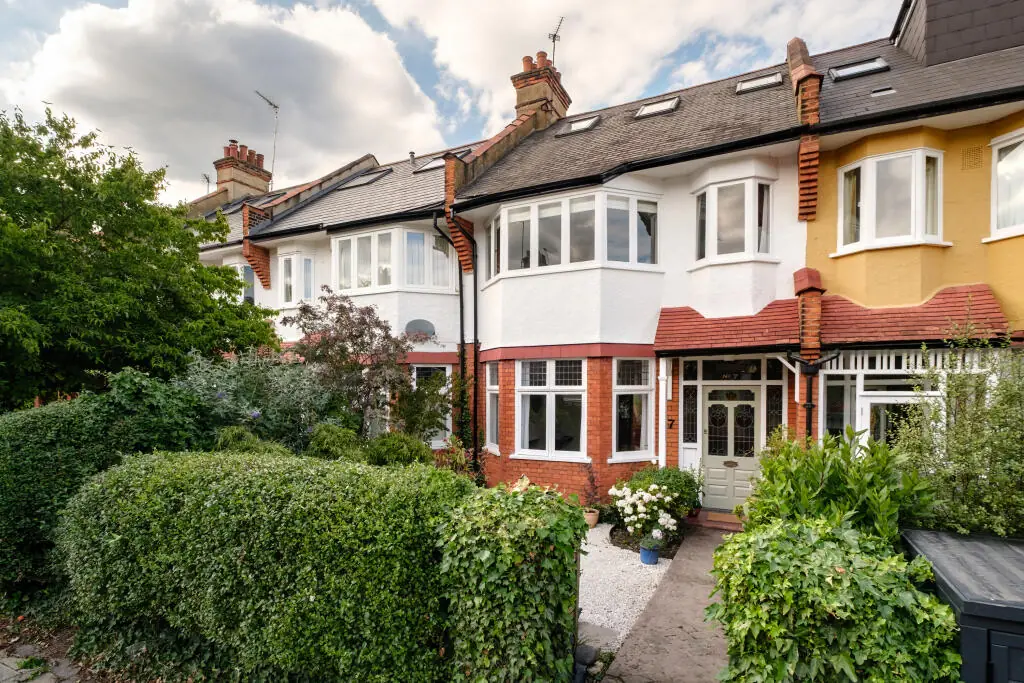
Things to check before viewing a house
At the viewing: condition signs
- Damp or fresh paint in one patch, mould around windows and musty smells.
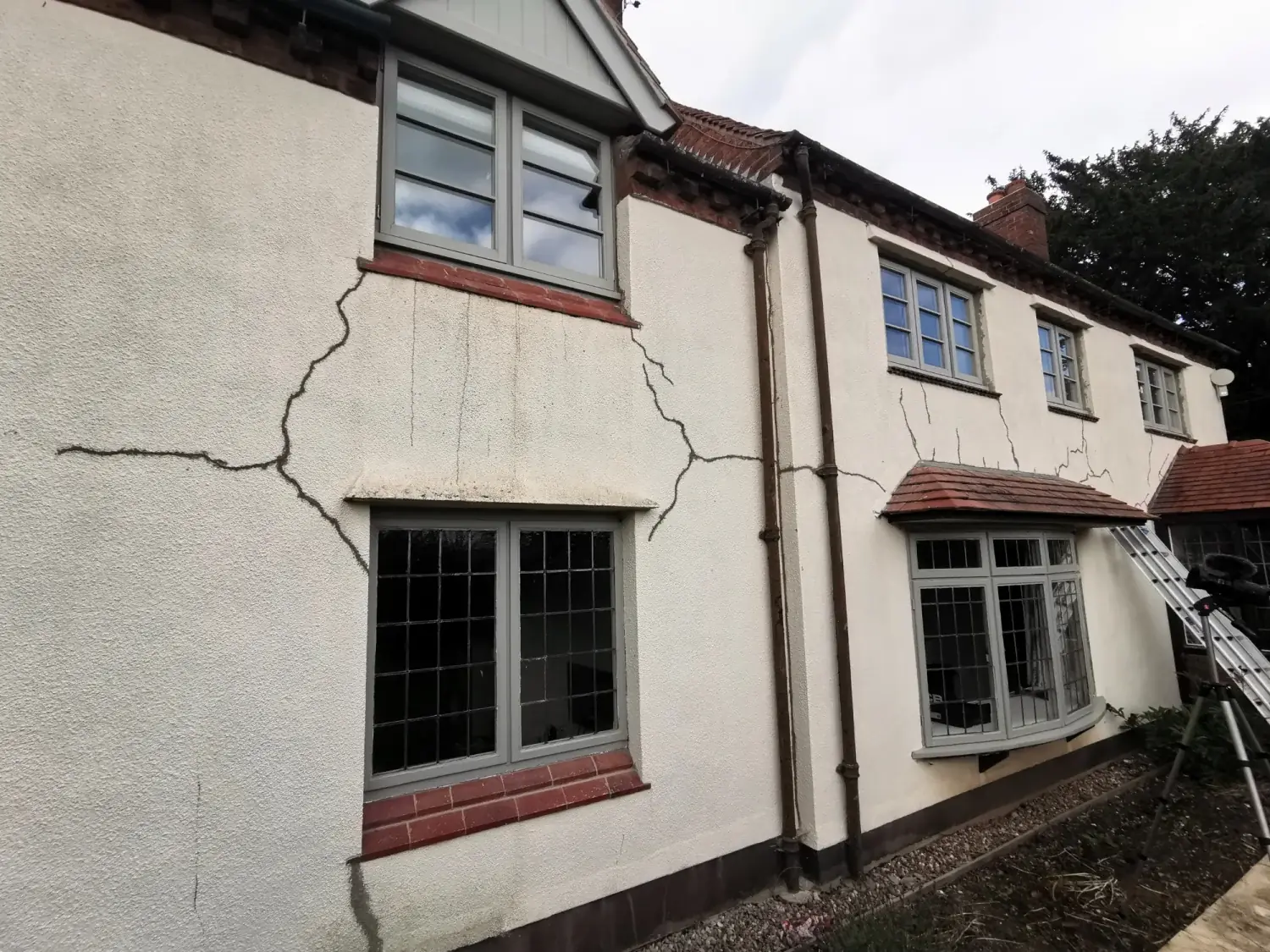
- Cracks wider than a coin, especially above doors and windows.
- The age of the boiler, the fuse box and the windows.
- Which way the garden faces and how much light the main rooms get.
- Noise from roads, railways and flight paths with the windows open.
Before you offer: tenure, planning, legal pack and survey
Before you make an offer, confirm whether it is freehold or leasehold and how long the lease runs, check planning history and building control sign-off for any extensions, and ask whether a legal pack or upfront information is available. Once your offer is accepted, book a RICS survey: a report checks the records, a survey checks the building. Not sure which you need? Read property report vs survey.
Ask the agent these eight.
- 1Why are the sellers moving?And how long have they lived there?
- 2How long has it been on the market?Any offers so far, and why did they fall through?
- 3Is there a chain?And where are the sellers in theirs?
- 4What is included in the sale?Fixtures, fittings and appliances.
- 5What work has been done?With planning and building control certificates.
- 6What are the running costs?Council tax band, energy bills, service charge.
- 7Any disputes or problems?Neighbours, boundaries, parking.
- 8Has it ever flooded?Or had an insurance claim for subsidence?
Pause if you see these.
Five checks, one report.
Each check has its own page with what it looks at.
House checks: your questions
Before you offer, check: what the property last sold for and what nearby homes sold for; its EPC rating; planning history on and around it; flood risk; whether it is freehold or leasehold, and the lease length; whether it is listed or in a conservation area; and local crime and schools. After your offer, a survey checks the building's condition and conveyancing searches check the legal side. KnowYourNest brings many of the pre-offer checks into one report.
Check crime on police.uk, nearby schools and their Ofsted ratings, flood risk, recent sold prices on the street, planned developments, broadband and mobile coverage, and noise from flight paths, railways and main roads. Visit at different times of day. KnowYourNest covers surface level data such as crime, schools, flood risk, sold prices and planning for the address but goes deeper, looking at future development risks, pressure on local services, the quality of the area, food supply risk, planning and development risk and many other factors. You can always renovate a house, but you can't exactly relocate it.
Damp patches, cracks above doors and windows, and the age of the boiler, windows and fuse box. Run the taps to test water pressure, open the windows to hear the road, and look at the roof and gutters from the street. Book a second viewing at a different time of day before you offer.
National Trading Standards guidance says listings should give the price, council tax band and tenure, and for leaseholds the lease length, ground rent and service charge. Things such as flood risk, building safety issues and restrictions on the property should also be disclosed. If something is missing, ask the agent in writing.
Yes. In England and Wales neither side is legally bound until contracts are exchanged. You may lose what you have spent on surveys, searches and legal fees, which is why checking a home before you offer saves money.
When a seller accepts a higher offer from someone else after accepting yours, before contracts are exchanged. It is legal in England and Wales. Having your mortgage, survey and solicitor lined up early reduces the risk.
Yes. Your conveyancer's searches (local authority, drainage and water, and environmental) are part of the legal process, and mortgage lenders normally require them or indemnity insurance in their place. KnowYourNest covers many of the same subjects earlier and in plain English, so problems come to light before you have spent money on legal fees. It does not replace the searches.
Check a home in 60 seconds
Free NestScore for any address in England and Wales. Full KnowYourNest report £9.95.