

Check the EPC rating of a property
Enter an address or postcode to see its energy band, what it costs to run, and what it could be.
A is the most efficient. G is the least.
An Energy Performance Certificate rates a home from A to G using a points score. Most homes in England and Wales sit around D. The certificate also shows the rating the home could reach with the improvements it recommends.
What an EPC means for your bills and your borrowing
The certificate estimates heating, hot water and lighting costs, so two similar homes can be compared on what they cost to live in. A lower band usually means higher bills and a bigger to-do list.
Some lenders offer green mortgages with better rates for homes rated A or B, or for buyers who improve a home's rating. Landlords also need to meet a minimum rating to let a home, currently E in England and Wales, with stricter targets proposed.
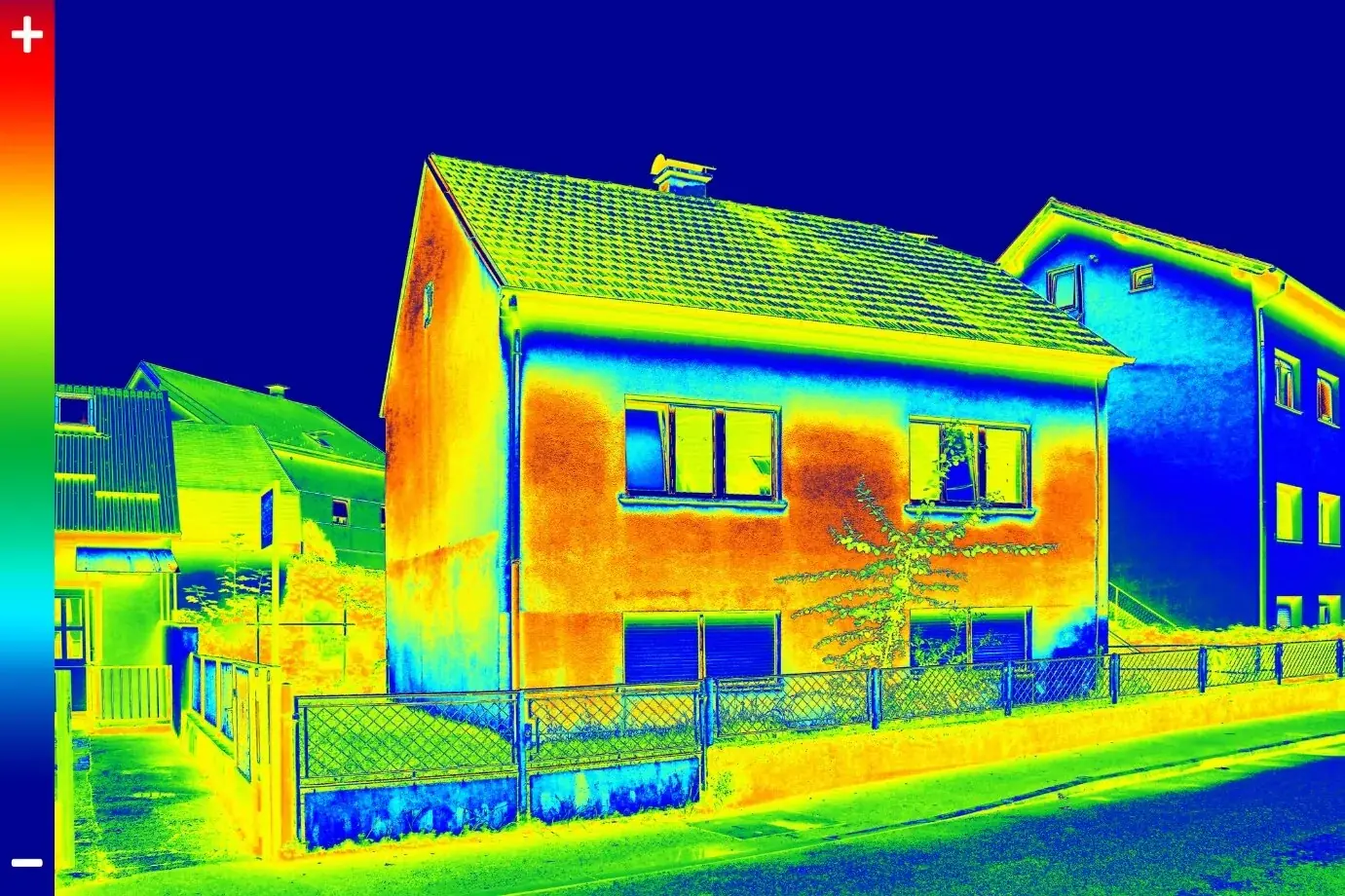
Every roof tells you something
Common improvements on a certificate.
Each recommendation lists an indicative cost and a typical yearly saving. Treat them as a starting point and get quotes.
| Improvement | What it does | Often worth it when |
|---|---|---|
| Loft insulation | Stops heat escaping through the roof | The loft has less than 270 mm |
| Cavity wall insulation | Fills the gap between brick layers | Walls are cavity and unfilled |
| Heating controls | Room thermostat and radiator valves | The boiler has basic controls |
| Heat pump or new boiler | Replaces an old heating system | The boiler is over 15 years old |
| Solar panels | Generates electricity on site | The roof faces south, east or west |
How long an EPC lasts, and how to find an old one
An EPC is valid for 10 years. Sellers and landlords must have one when they market a home. You can search the government's energy certificate register by postcode for current and expired certificates. Older certificates are useful: they show what has changed, such as new windows or a replaced boiler.
Energy is one part of Home & Health.
The report adds overheating, ventilation and future energy risk to the EPC.
EPC questions
Enter the address above, or search the government's energy certificate register by postcode. KnowYourNest shows the band alongside running costs and what the home could reach.
A to C is good. D is typical for older homes in England and Wales. E to G usually means high bills and work to do.
An assessor visits and records the home's age and construction, insulation, windows, heating, hot water and lighting. Software then estimates energy use for a typical household, so your own bills will depend on how you live.
Loft and wall insulation, better heating controls, a newer boiler or heat pump and solar panels usually make the most difference. Once the work is done, get a new EPC so the register shows the better rating.
Yes. In England and Wales, a privately rented home generally needs an EPC of E or above unless an exemption is registered. The government has proposed raising the minimum, so check the current rules if you are buying to let.
You need a valid EPC to market a home for sale or rent, with a few exceptions such as some listed buildings. The seller or landlord arranges and pays for it.
No. An EPC is an energy assessment, not an inspection of the building's condition.