
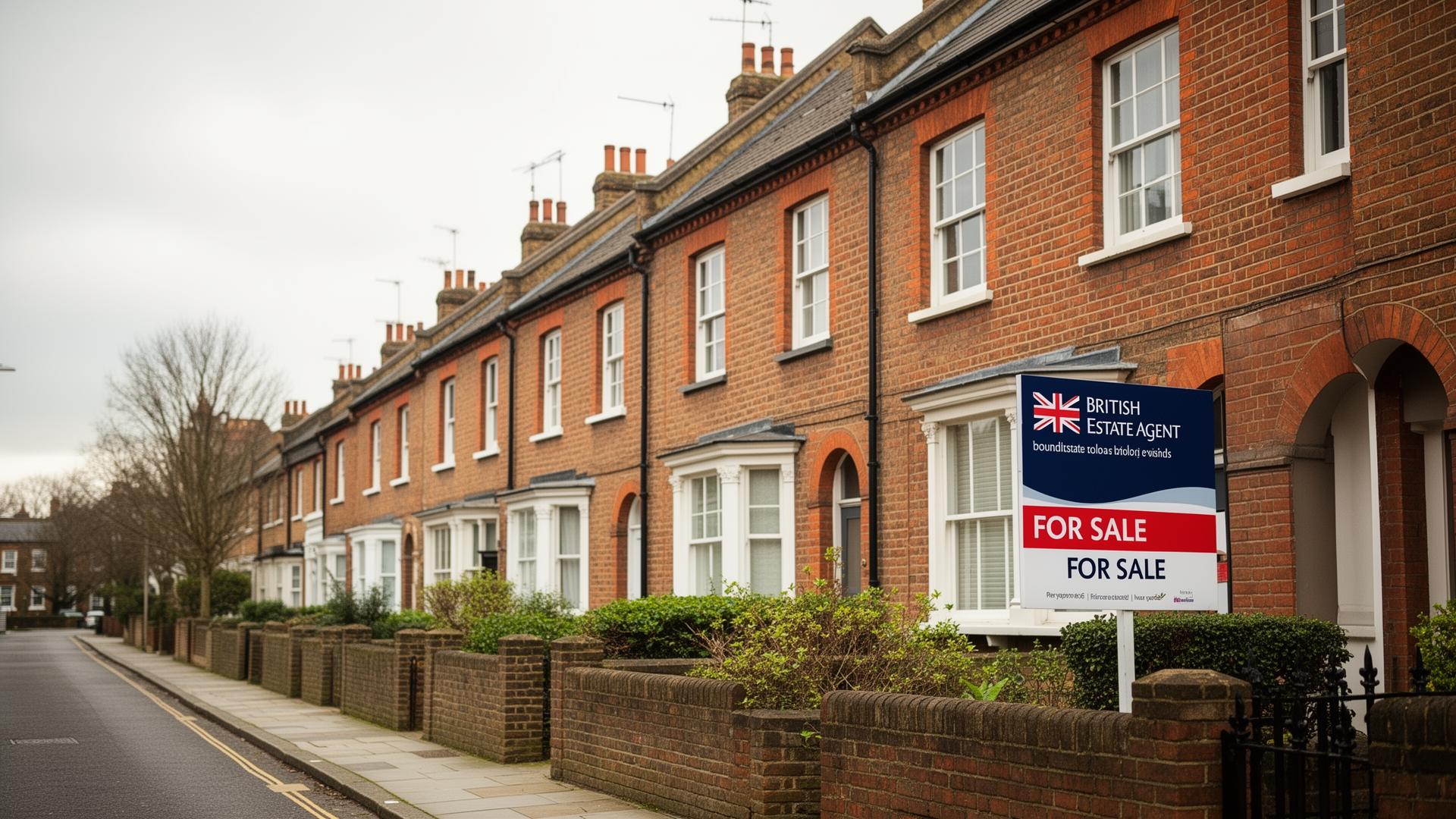
Selling a home in the UK, done properly
From valuing your home to the day you hand over the keys — the full UK selling journey, the things that move the price, and the buyer-side checks that quietly kill 1 in 3 sales.
Step by step
The 6 stages of selling a UK home
Most sellers don't think about steps 4 and 5 enough. That's where the average UK sale loses 4–6 weeks, and where 1 in 3 sales fall through.
1. Plan and tidy up
Pick a sensible timeline, clear out clutter, and gather your papers (deeds, warranties, sign-offs for any building work).
2. Get it valued
Get 3 valuations. Be careful of the highest one — agents sometimes use it just to win your business, not to sell the house.
3. List and market
Photos, a floor plan, an energy rating and the listing words. Rightmove and Zoopla, plus a good local agent, do most of the work.
4. Look at offers
Check buyers properly. Are they cash? Are they in a chain? Is their mortgage agreed in principle? The biggest offer isn't always the safest.
5. The legal bit
The solicitors swap questions, searches and contracts. This is where time disappears. Pick your solicitor with care.
6. Exchange and complete
Once contracts are 'exchanged', it's legally binding. 'Completion' (handing over the keys) is usually 1–4 weeks later.
Pricing it right
Get the price wrong by 5%, lose 60% of viewings
UK buyers search Rightmove in £25k bands. If you ask £505,000 instead of £499,950, you vanish from every search ending at £500k. Asking too much also kills early interest — and the first 3 weeks of a listing is when most serious buyers see it.

Look at sold prices on your street from the Land Registry — not asking prices on similar listings. Asking prices are wishful thinking. Sold prices are real.
If you have no viewings in the first 14 days, your price is wrong. Don't wait three months to drop it. The longer your home sits there, the more buyers think there must be something wrong with it.
Picking an agent
How to pick the right estate agent
The right agent is not the cheapest, and not the one who quotes the highest price. It's the one who has actually sold homes like yours, near you, in the last 6 months.
Ask for sold homes, not just listings
Many agents quote 'average days on market'. Ask: of your last 10 listings, how many actually sold, and at what % of the asking price?
Be firm on fees
1.0–1.5% plus VAT for one agent is normal in the UK. Avoid 12-month tie-ins. Ask for a 2–4 week notice clause.
Insist on proper marketing
Pro photos, drone shots if useful, a floor plan with square footage, and a 3D tour. If they push back, walk away.
What you legally need
Energy rating, key info and the legal pack
Since 2022, UK estate agents must show 'Material Information' on every listing — the basics buyers need to know before they make an offer. The first wave (price, council tax, who owns it) went live in May 2022. The next waves (lease length, ground rent, service charge, building safety, flooding and other known issues) rolled out through 2023 and are now expected on every UK listing.
Energy rating (EPC): You need one before you can market the home. It lasts 10 years. The government is also looking at making rented homes meet a higher rating — possibly from 2028 for new tenancies and 2030 for all rented homes — so a low rating may matter more to landlord buyers in future.
Title pack: Ask your solicitor to put the title pack together before you list. Doing this up front can take 3–4 weeks off the average sale.
Property forms: The standard forms about your home (what comes with it, repairs, building work) were updated in 2024 and now line up with the new 'Material Information' rules. Be honest. A missing window certificate, or building work you didn't mention, is the single biggest cause of sales falling apart.
The buyer side
What clued-up buyers will check before they offer
More UK buyers now run their own checks before viewing — flooding, planning, building work, what locals say. If your home has a hidden problem, they will find it. Better to deal with it on your terms.
Flooding and ground risk
Free to look up on the Environment Agency flood map. Buyers expect you to know your home's risk.
Building work sign-off
Loft conversions, extensions, new windows — all need sign-off papers. Missing paperwork can kill a deal.
What's happening nearby
Pending building plans next door, conservation areas, special rules. All free to check on planning.data.gov.uk.
The faster, fairer way to sell
Upfront information: list with the full picture, not half of it
Trading Standards (the people who watch over honest selling) now expect sellers and agents to share the key facts at the moment of listing — not three months in, after a buyer has paid for a survey. Sellers who go further and share a full pack on day one tend to sell weeks faster, and far fewer of their sales fall through.
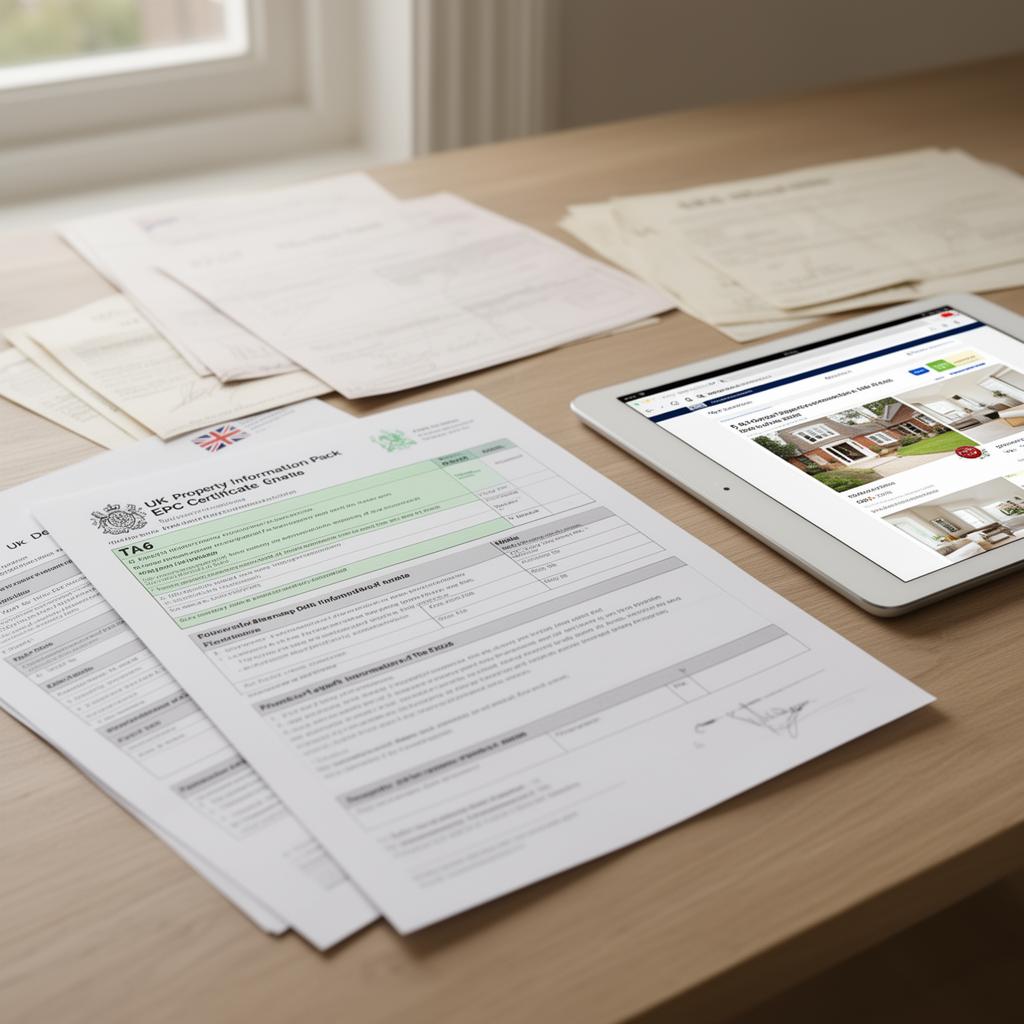
What goes in a good upfront pack: the title plan and deeds, the standard property forms, the energy rating, the lease (if it's a leasehold), service charge and ground rent statements, sign-off papers for any building work, planning permissions, warranties (boiler, electrics, new-build) and any known problems.
Why it matters: the average UK sale falls through at around week 12, almost always because a question pops up that wasn't answered at the start. Putting it all on the table on day one is the single best thing a seller can do.
We're huge fans of upfront information at NestLink — and the upcoming NestLink OS is being built to make putting this pack together really easy.
Lock in the deal, not just the price
Reservation agreements: the missing step between offer and exchange
Around 1 in 3 agreed UK sales fall through. The biggest reason is that nothing is legally binding until 'exchange' — which is often months after the handshake. A reservation agreement fills that gap with a small refundable deposit on both sides, and clear rules if either of you walks away for no good reason.

How it works: once an offer is accepted, both sides sign a short agreement and put a refundable deposit (usually £500–£2,000 each) into a holding account. If either side walks away without a fair reason — survey problem, mortgage refused, search red flag — they lose their deposit to the other side.
Why it matters: it filters out time-wasters, stops sneaky last-minute price moves, and makes it far more likely the sale goes through. Government and industry tests have shown the number of failed sales can drop by more than half.
We strongly recommend asking your agent and solicitor about a reservation agreement on every offer — and we're building this directly into NestLink OS.
Both sides committed
Buyer and seller both put real skin in the game from day one — not just at exchange.
Fewer failed sales
Tests show reservation agreements can cut the number of failed sales by half — saving months and thousands of pounds.
Fair ways out
Survey problems, mortgage refusals and bad searches are all agreed reasons to walk away. Nobody is unfairly trapped.
Coming soon — join the waitlist
NestLink OS: a new way to sell your UK home
NestLink OS is the new platform that pulls everything on this page into one place — your upfront pack, your trusted professionals, your reservation agreement, the buyer-side checks, and a live view of where your sale is up to — so you and your buyer always know what's happening.
What it does for sellers: builds your upfront pack, shows you the documents buyers will ask for, connects you with top-rated agents and solicitors, and runs reservation agreements end to end.
Why join the waitlist: early users get to use it first, get founder pricing, and have a say in which features are built first.
Upfront pack made easy
Pulls your title, energy rating, property forms, building work papers and warranties into one shareable pack.
Reservation agreements built in
Sign, deposit and track — without bolting on someone else's tool.
Trusted pros at hand
Estate agents and solicitors ranked by NestScore — not by who paid the most for a slot.
Common questions
How long does it take to sell a house in the UK?
The UK average from listing to handing over the keys is 4–6 months. About half of that is the legal bit. Getting your title pack and ID checks ready before you list — proper upfront information — can shave 4–6 weeks off.
What is upfront information, and is it the law?
Upfront information means sharing the key facts about your home (Material Information) at the point of listing — the type of ownership, council tax, lease length, building safety and known problems. Trading Standards now expect this, and going further with a full upfront pack is fast becoming the UK standard.
What is a reservation agreement?
A short legal agreement signed soon after an offer is accepted. Both buyer and seller put a refundable deposit on the table and agree the rules under which either side can walk away. It's not yet the law in the UK, but it really cuts the number of failed sales.
Do I need an energy rating to sell?
Yes. You need to have ordered an energy rating (EPC) before you start marketing, and have a valid one within 7 days of marketing starting (you can be given an extra 21 days if needed). Without one you can't legally market the home.
Should I take the highest offer?
Not always. A cash buyer at £490,000 is often safer than a chain buyer at £510,000 with no mortgage agreed. Ask your agent for proof of funds and where they sit in the chain before saying yes — and think about asking the buyer to sign a reservation agreement.
What is NestLink OS?
NestLink OS is our new platform. It brings the upfront pack, trusted professionals, reservation agreements and buyer-side checks into one place for UK home moves. Join the waitlist for early access.
Sell smarter — join the NestLink OS waitlist
NestLink OS bundles your upfront pack, reservation agreements and trusted UK professionals into one place. Get early access and help shape the product before launch.