Sold prices
HM Land Registry Price Paid Data lists every recorded sale since 1995: the price, the date and whether it was freehold or leasehold.
Five public records tell you most of a home's story. Here is where each one lives and what to look for.
HM Land Registry Price Paid Data lists every recorded sale since 1995: the price, the date and whether it was freehold or leasehold.
The council's planning portal shows applications on the property and its neighbours. Building control records show whether work was signed off.
Older certificates show the home's previous rating and what has been improved since.
Flood history and ground hazard maps show what the land has been through. Ask the seller about insurance claims.
The title register at HM Land Registry shows the owner, any mortgage and any restrictions or covenants.
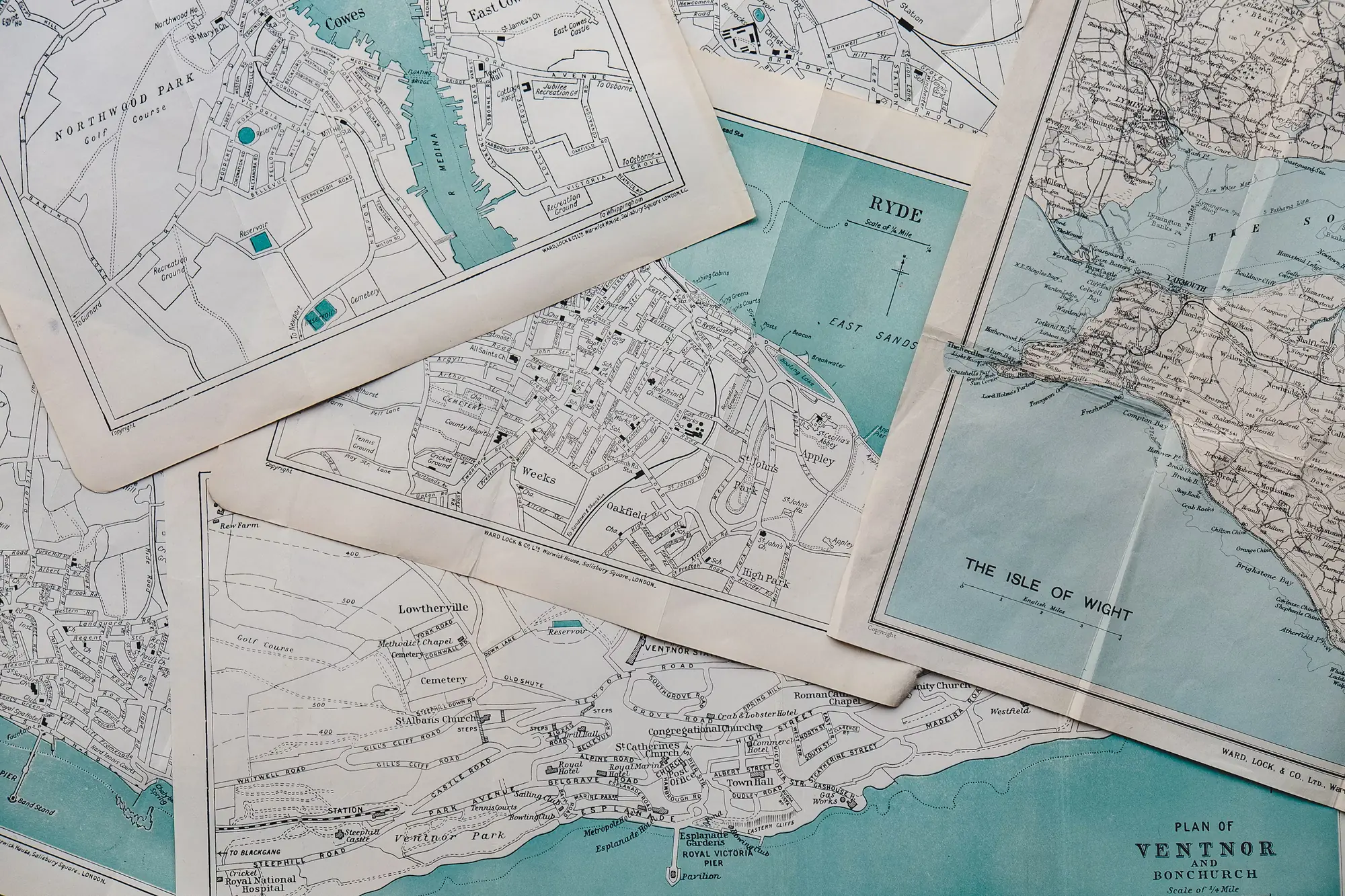
Every sale since 1995 is on record
A red flag is a question, not a verdict. If an extension has no building control sign-off, ask the seller for the certificate or indemnity insurance. If the home has resold quickly several times, ask why. If there is a flood history, get an insurance quote before you exchange. Tell your conveyancer and surveyor what you found so they can look closely.
Sale history, EPCs and planning on and around the address, with every line linked to its source.
Put together four records: the sale history from HM Land Registry, past planning applications on the council's planning portal, previous EPC certificates (older ones show what has been improved), and building control completion certificates for any works, which you can ask the seller for. KnowYourNest brings the sale, EPC and planning history together in one place.
HM Land Registry publishes sold prices for England and Wales in its Price Paid Data, going back to 1995. You can search it on GOV.UK, or see a property's sale history alongside nearby sales on NestLink's maps and in a KnowYourNest report. New sales can take a few months to appear, and the record shows the price paid, not the property's condition at the time.
Search the local council's planning portal by address for past applications on the property and its neighbours. Look for refusals, extensions that do not match what was approved, and large schemes nearby. KnowYourNest lists planning applications on and around the address. Planning permission and building regulations approval are separate, so also ask the seller for completion certificates for any works.
Yes. The title register from HM Land Registry names the owner and shows any mortgage and restrictions. You can download it on GOV.UK for a small fee. NestLink does not show owners' names.
HM Land Registry's Price Paid Data covers sales in England and Wales since January 1995. Earlier sales are not in the public data.
Sometimes. Old listings can stay visible on property portals, and planning applications often include drawings of the home before the work. Local archives and old Ordnance Survey maps show how a street has changed over time.